

Faith and Fluency in a Fleeting World
A Story from the Field sharing from Pearle, Simon and James' session on May 5, 2026.
Pearle lived and worked in South Asia for over seven years, leading literacy and education programmes. Simon is a mother tongue translator championing the complex work of Bible translation, engagement and language development. His son, James, is a consultant-in-training assisting teams with exegesis and checking of translations.
Introduction Pearle began by describing the situation in the country. Christians make up only about 2% of the total population, and although the Bible is available in the national language, it is not easily understood among the 123 language communities in the country. The mother tongues of many rural ethnic communities exist in oral but not written form.
Simon and James’s stories
Simon heard about Jesus Christ when he lad a student group from Singapore in 1984! Since 1985, he has worked on several Bible translations, including that for his own mother tongue.
James has been involved in Bible translation for 20 years and is convicted that many need to hear and read God’s word in their heart languages, rather than in the dominant language. He told of an elderly lady who answered “yes” to all his survey questions because she could not understand the questions in the national language!
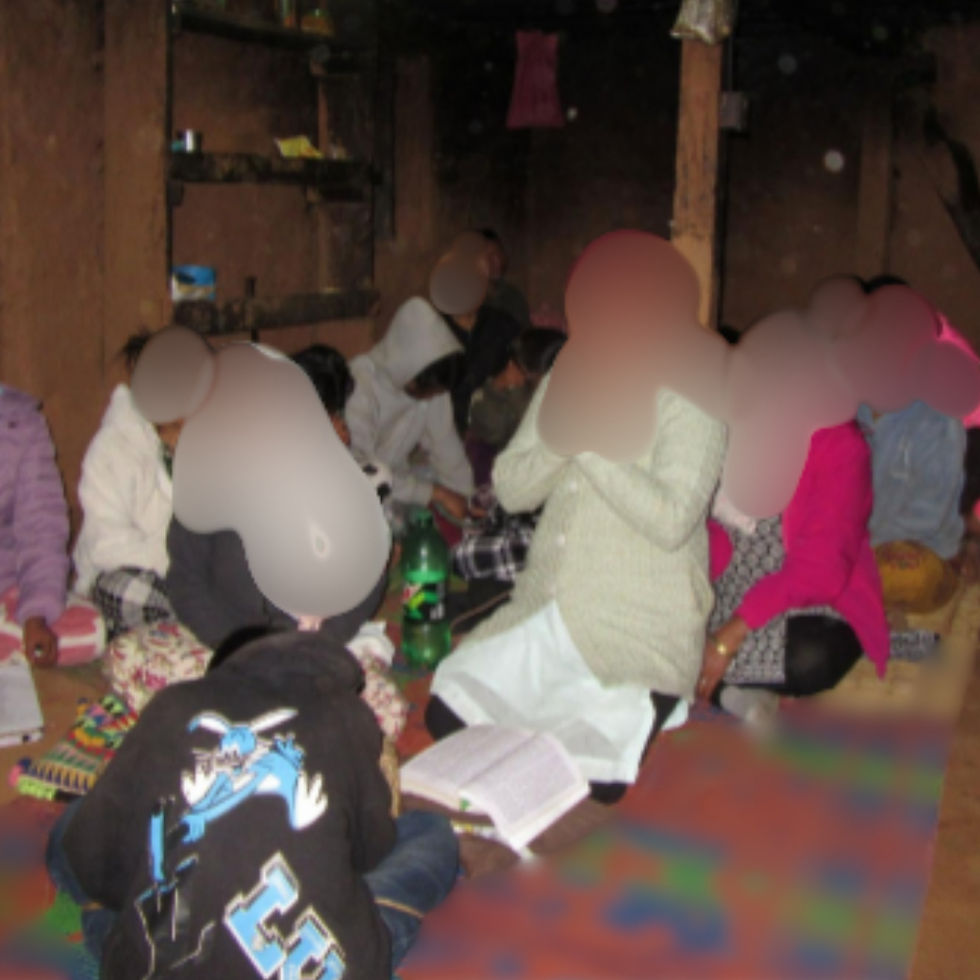
Both of them conduct reading fluency programmes in three mountainous villages (K, W and M) which speak different languages. The reading practices aim to familiarise the people with the written scripts of their mother tongues so they can understand the Bible and know Jesus better.

Last year, James trained some Christian leaders to read and write in their mother tongues, and to conduct Bible studies. He also develops training materials and resources in the three languages in consultation with local pastors and leaders. They have now worked through studies of Genesis where participants were taught to observe, interpret and apply what they read in the narratives, and were led to draw connections with the New Testament. (A pilot study on the Life of Jesus had previously been conducted.)
Simon shared that about 29 groups of 15–20 participants each) meet weekly for Bible study, often after their church services. The facilitators engage all participants in continuous reading, each taking turns to read a few verses, encouraging them to grow in confidence and fluency over time. The classes also incorporate culturally appropriate activities, such as songs and the writing of ethnic music. Newcomers to these sessions are often surprised and impacted when they hear Christian participants sing and pray in their own mother tongue. Each lesson ends with prayer, and visitors receive a copy of the Bible in their own mother tongue. The group saw 13 new believers added to their number this past year!
“The national language Bible is easy to read
but difficult to understand;
the Mother Tongue Bible is easy to understand
but hard for reading.”
~ reading fluency class participant from another language community
Highlights
It has been a joy to see villagers come to know Christ through the reading fluency classes. Their traditional religion is animistic. But through the reading of Genesis, the Holy Spirit opened their hearts to the truth of the biblical Creation story, and they were pointed to the God of Creation who was absent in their indigenous mythologies.
Another unexpected highlight has been the keen involvement of many faithful women from the villages. These women are typically responsible for caring for the elderly, children and the land while their husbands work in the city or abroad. Yet they willingly made a two-day journey to the capital to be trained in reading fluency so they can in turn teach other villagers what they have learned and to lead the Bible study groups. During the rainy summers, when Bible studies and literacy classes stop for the short agricultural season (mostly rice and millet), the women continue to meet to pray.
Challenges
Power supplies and internet connectivity are erratic and disrupt the Bible studies and the timely sharing of resources.
Travel to these remote villages is also difficult, especially in the wet summer seasons.
Some people in the villages do not welcome Christians, who are regarded as outsiders. They are despised for “eating cows” and believing in a “foreign” deity, and they often suffer social rejection, exclusion and even physical attacks. However, using their mother tongues helps counteract the perception that Christians are destroying the local culture (religion and language).
James told the story of Ruth*, a woman who was thrown out of the family home for her faith. She had to live even more remotely and was prevented from connecting to the community’s water and power supply.
There are strict anti-conversion laws. Christians can be heavily fined and even jailed if accused of proselytising or offending religious feelings.
Please pray for these needs:
Pray for more villagers to improve in their reading fluency so that they can read the Bible in their heart languages.
Pray for God to work in the hearts of those who meet to study His Word.
Pray that God’s word and the Holy Spirit will strengthen and encourage Christians facing persecution.
Pray also that recent political upheaval will lead to changes that allow for greater openness to Christianity.


Comments